
Robocall Lawyers California address a growing issue: unwanted automated calls banned by TCPA and CCPA. These specialists help consumers protect their rights, using legal tools to mitigate robocalls' nuisance. By combining call-blocking apps, consumer education, and proactive behavior, Californians can reclaim control over their communication channels. Experts enforce laws, deter violators through lawsuits, and organize educational events to empower residents against robocalls in a digital age.
In the digital age, robocalls have become a pervasive and annoying nuisance for California residents. With an estimated billions of unwanted calls flooding in annually, these automated phone systems often pose challenges in identifying legitimate communications from fraudulent activities. The prevalence of robocalls has prompted many Californians to seek effective solutions, particularly with the increasing involvement of robocall lawyers California to combat spammers and protect consumer rights. This article delves into the most effective app designed specifically to stop robocalls, offering a practical tool for residents to reclaim their communication channels and peace of mind.
Understanding Robocalls: Legal Framework in California

Robocalls have become a pervasive and often frustrating aspect of modern communication, with California residents facing a particularly severe onslaught. To combat this, understanding the legal framework surrounding robocalls is essential. In California, the Telephone Consumer Protection Act (TCPA) serves as the primary legislation designed to curb automated telemarketing calls, or robocalls. This federal law, enforced by the Federal Communications Commission (FCC), grants consumers powerful tools to protect their privacy and stop unwanted calls.
The TCPA restricts businesses from making automated phone calls to individuals without prior express consent. This means that if you have not given explicit permission for a company to contact you using robocall technology, such calls are illegal. California law further strengthens these protections, with additional regulations specific to the state. For instance, California's Consumer Privacy Act (CCPA) provides residents with enhanced control over their personal information, including call records and phone numbers, making it more challenging for robocallers to access and target consumers.
Robocall lawyers California play a pivotal role in this landscape, offering expertise in navigating the complex legal aspects of these calls. They assist individuals in understanding their rights under the TCPA and CCPA and help them take action against persistent or illegal robocalls. With advancements in technology making it easier for automated call systems to bypass traditional blocking methods, seeking legal counsel can be a proactive step toward regaining control over one's phone lines. By staying informed about evolving laws and leveraging available legal tools, California residents can better protect themselves from the nuisance and potential risks associated with robocalls.
Identifying and Blocking Calls: Tools & Techniques

In the relentless battle against robocalls, consumers in California have a powerful weapon at their disposal—advanced call blocking technologies. With millions of residents affected annually by these unwanted automated calls, understanding how to identify and block them effectively has become paramount. Robocall Lawyers California, specializing in consumer protection, advocate for proactive measures, emphasizing that education and technology go hand in hand when it comes to defense against this growing nuisance.
One of the primary tools at an individual's disposal is call-blocking apps, many of which employ sophisticated algorithms to detect and filter out robocalls. These applications analyze call patterns, comparing them against vast databases of known spammer numbers. For instance, TrueCall, a top-rated app in California, uses machine learning to adaptively learn and block new robocallers. It also leverages community intelligence, allowing users to report suspicious calls, further refining the app's effectiveness. Another notable mention is Hiya, which provides not only call blocking but also caller ID services, enabling users to see the source of incoming calls and take appropriate action.
While apps offer significant protection, robocall lawyers advise that a multi-faceted approach is ideal. This includes keeping personal information private, being cautious with online disclosures, and staying informed about new robocall trends. Additionally, utilizing the National Do Not Call Registry can provide a legal framework for blocking unwanted calls. By combining technological tools with proactive consumer behavior, Californians can reclaim their communication channels from intrusive robocalls.
The Role of Robocall Lawyers California

In the persistent battle against robocalls, California residents have found an unexpected ally—robocall lawyers. These legal experts specialize in navigating the intricate web of telemarketing regulations and have emerged as a powerful force in mitigating the impact of unwanted automated calls. Their role extends beyond mere legal representation; they educate, advocate, and empower consumers to reclaim their communication channels.
Robocall lawyers California play a pivotal role in enforcing compliance with state laws designed to protect residents from intrusive telemarketing practices. By scrutinizing call scripts, identifying violations, and leveraging legal action, these attorneys deter companies from engaging in deceptive or harassing behavior. For instance, successful lawsuits against major telecoms have resulted in substantial fines and changes in industry standards. Moreover, they assist consumers in understanding their rights, enabling them to file complaints effectively with regulatory bodies.
Beyond legal repercussions, robocall lawyers California foster a culture of awareness and resilience among Californians. They organize workshops, webinars, and community events to educate the public about identifying and blocking robocalls. By sharing real-world examples and providing practical tips, they empower individuals to take proactive measures. This collaborative approach not only reduces the volume of robocalls but also strengthens consumer rights in a digital age where communication privacy is paramount.
Protecting Your Rights: Comprehensive Guide to Action
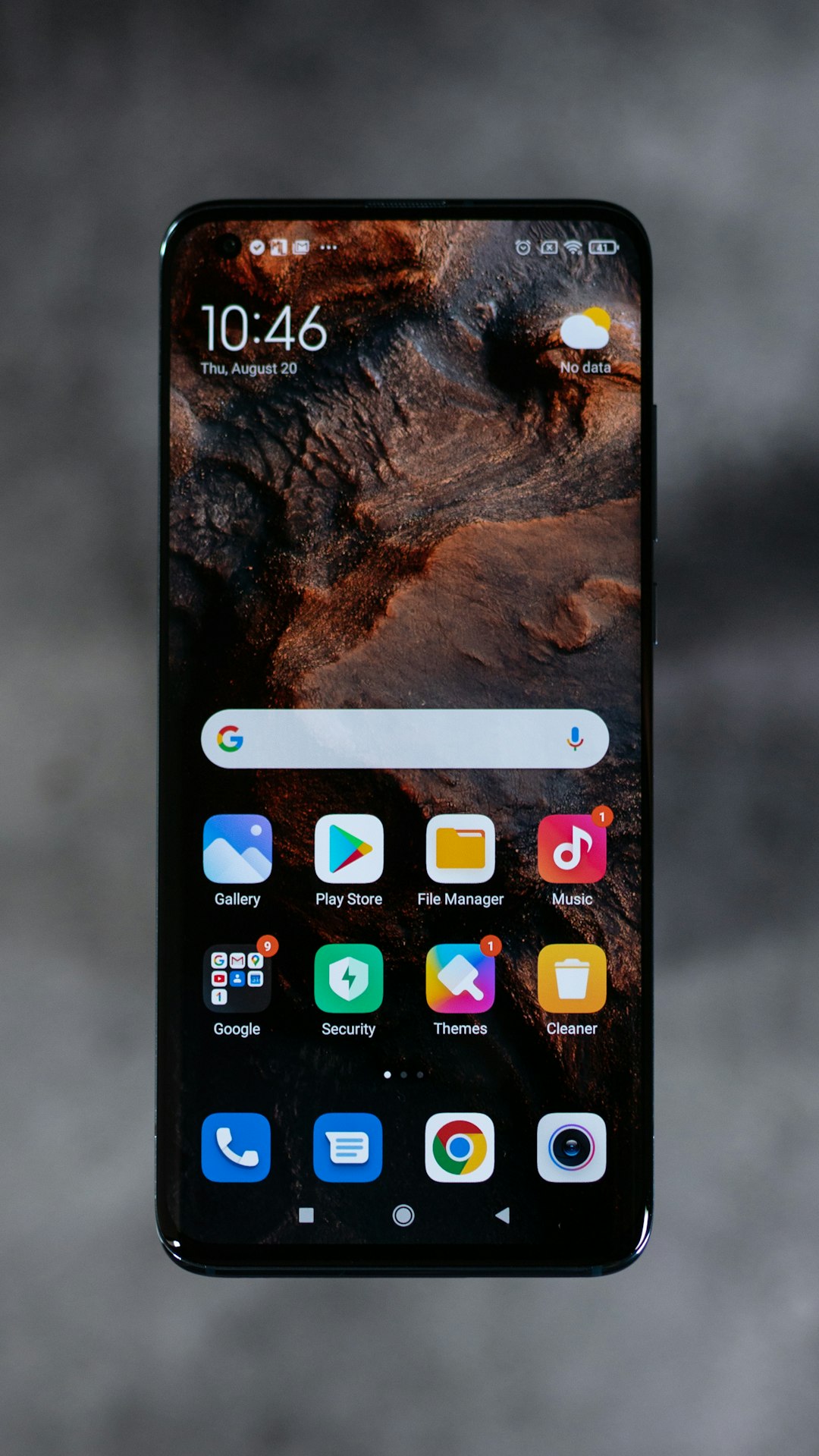
In the ongoing battle against robocalls, California residents have a powerful weapon at their disposal: robust legal protections and an informed understanding of their rights. With millions of robocalls flooding the state daily, according to recent reports by consumer protection agencies, it's crucial to know how to defend yourself. Engaging the services of robocall lawyers California can offer strategic guidance tailored to local laws, empowering individuals to take back control from relentless automated callers.
Expert legal counsel plays a pivotal role in navigating complex regulations like the Telephone Consumer Protection Act (TCPA). These attorneys specialize in helping clients block unwanted calls and seek compensation for privacy violations. For instance, successful cases against telemarketing companies have established precedents for substantial financial damages, serving as a deterrent to potential violators. By employing legal loopholes and leverage, robocall lawyers California can ensure that residents are not only protected from invasive practices but also compensated for the distress they cause.
Taking proactive measures is key to maintaining peace of mind. Individuals should register with national "Do Not Call" registries, such as the National Do Not Call Registry, to limit initial contact points. Additionally, utilizing call-blocking apps and keeping software up to date can provide immediate relief from automated calls. However, for more severe cases or when legal action is required, consulting with robocall lawyers California becomes indispensable. They offer a comprehensive guide to action, combining technological solutions with strategic litigation to protect consumer rights effectively.