Robocalls are a pervasive issue in California, prompting stringent regulations like the CCPA and TCPA. Specialized robocall lawyer California experts navigate this legal landscape, advising on best practices to minimize unwanted calls. Advanced filtering apps, leveraging machine learning and community data, identify and block robocalls. These apps should offer dynamic blocking lists, anonymous call data sharing, and real-time blocking. Consulting a robocall lawyer California enhances protection by identifying legal loopholes, guiding app developers, and assisting in call-tracking systems. Partnering with these experts creates an optimal ecosystem for comprehensive robocall protection.
In today’s digital era, California residents face an overwhelming influx of robocalls, posing a significant challenge to privacy and consumer protection. These automated phone calls, often carrying misleading or malicious intent, have become a ubiquitous nuisance. The problem has grown so pervasive that it demands strategic solutions, particularly from those with legal expertise, such as robocall lawyers in California. This article delves into the intricate landscape of robocalling regulations, offers insights into effective filtering methods, and provides valuable guidance for residents seeking to reclaim control over their communication channels.
Understanding Robocalls in California: Legal Landscape

Robocalls have become a pervasive and often frustrating aspect of daily life in California, with millions of residents facing an incessant stream of automated calls promoting products, services, or political campaigns. While many robocallers operate within legal boundaries, others exploit loopholes and engage in deceptive practices. Understanding the legal landscape surrounding robocalls is crucial for both consumers and businesses seeking to protect themselves from these unwanted intrusions. California has implemented stringent regulations to combat excessive robocalling, reflecting a growing awareness of the impact on public safety and privacy.
The California Consumer Privacy Act (CCPA) grants residents enhanced control over their personal information, including the right to opt out of selling or sharing their data with third parties. This legislation significantly restricts robocallers’ ability to engage in unsolicited marketing calls, as they must obtain explicit consent before contacting consumers. Moreover, the state’s Telephone Consumer Protection Act (TCPA) prohibits automated dialing systems from making calls without prior express consent, except under specific circumstances such as emergency messages or calls made for a purpose allowed by law. Penalties for violators can be substantial, with each robocall violation potentially incurring fines of up to $500.
Robocall lawyers California play a pivotal role in navigating this complex legal terrain. These experts assist individuals and businesses in understanding their rights under existing laws and offer guidance on best practices to minimize unwanted robocalls. By staying abreast of legislative developments, these attorneys help clients stay compliant while safeguarding their privacy and that of their customers. For instance, they can counsel businesses on implementing robust do-not-call policies, utilizing state-of-the-art call filtering technologies, and ensuring compliance with opt-out requests, thereby fostering a more responsible robocalling environment in California.
Identifying and Blocking Common Robocall Patterns
Robocalls have become a pervasive nuisance in California, with millions of residents facing an incessant deluge of unsolicited calls daily. To combat this, advanced filtering solutions have emerged, allowing users to reclaim their peace of mind. One critical aspect of these apps is their ability to identify and block common robocall patterns, which often employ sophisticated techniques to evade traditional blocking methods.
Expert developers analyze call metadata and audio content to recognize distinctive characteristics of robocalls. These include specific ringing patterns, automated voice responses, and peculiar signaling tones that differ from genuine human calls. Machine learning algorithms play a pivotal role here, continuously updating their models based on new data, ensuring higher accuracy in identifying emerging robocall trends. For instance, certain robocall operations employ artificial intelligence to modify their scripts, adjusting messages and delivery methods to bypass filters. However, these adaptive tactics can be counteracted by sophisticated apps that learn from user feedback and community-shared information, enabling them to stay ahead of evasive robocalls.
A reliable robocall blocking app in California should offer dynamic blocking lists that are regularly updated and shared among users. This collaborative approach leverages the collective wisdom of residents to combat evolving fraudster tactics. By sharing call data anonymously, users contribute to a robust knowledge base that aids not only themselves but also their fellow Californians in protecting against fraudulent activities. Additionally, seeking advice from a robocall lawyer California can provide valuable insights into emerging legal protections and help refine filtering strategies to keep up with the ever-changing landscape of robocall operations.
In conclusion, effective robocall filtering involves a combination of advanced technology and community engagement. Users should opt for apps that leverage machine learning and crowd-sourced data to stay ahead of persistent and adaptive fraudsters. Proactive measures taken by residents not only secure their privacy but also contribute to the broader effort to deter malicious robocall campaigns.
Choosing the Right App: Features to Look For
When it comes to tackling robocalls in California, choosing the right app is a strategic move that can significantly enhance your communication experience. With countless options available, it’s essential to focus on apps that offer robust features tailored to filter out these unwanted calls effectively. A robocall lawyer California can provide valuable insights, but first, individuals and businesses should familiarize themselves with key app capabilities.
One of the most critical aspects is call identification and classification. Advanced apps employ machine learning algorithms to analyze caller information, enabling them to distinguish between legitimate calls and robocalls. For instance, these algorithms can detect patterns associated with automated dialing systems, reducing false positives. Additionally, real-time call blocking is a must-have feature, allowing users to instantaneously prevent unwanted calls from reaching their phones. Some apps even provide customizable blocking lists, empowering users to block specific numbers or types of calls.
Another valuable function is call analytics and reporting. Comprehensive apps offer detailed insights into calling patterns, helping users identify trends and potential robocall campaigns. This data can be crucial for robocall lawyer California professionals who assist clients in taking legal action against persistent violators. Moreover, apps with a user-friendly interface and customizable settings ensure that individuals can tailor their call filtering experience to suit their preferences, making the process efficient and effective.
Collaborating with a Robocall Lawyer California for Effective Solutions
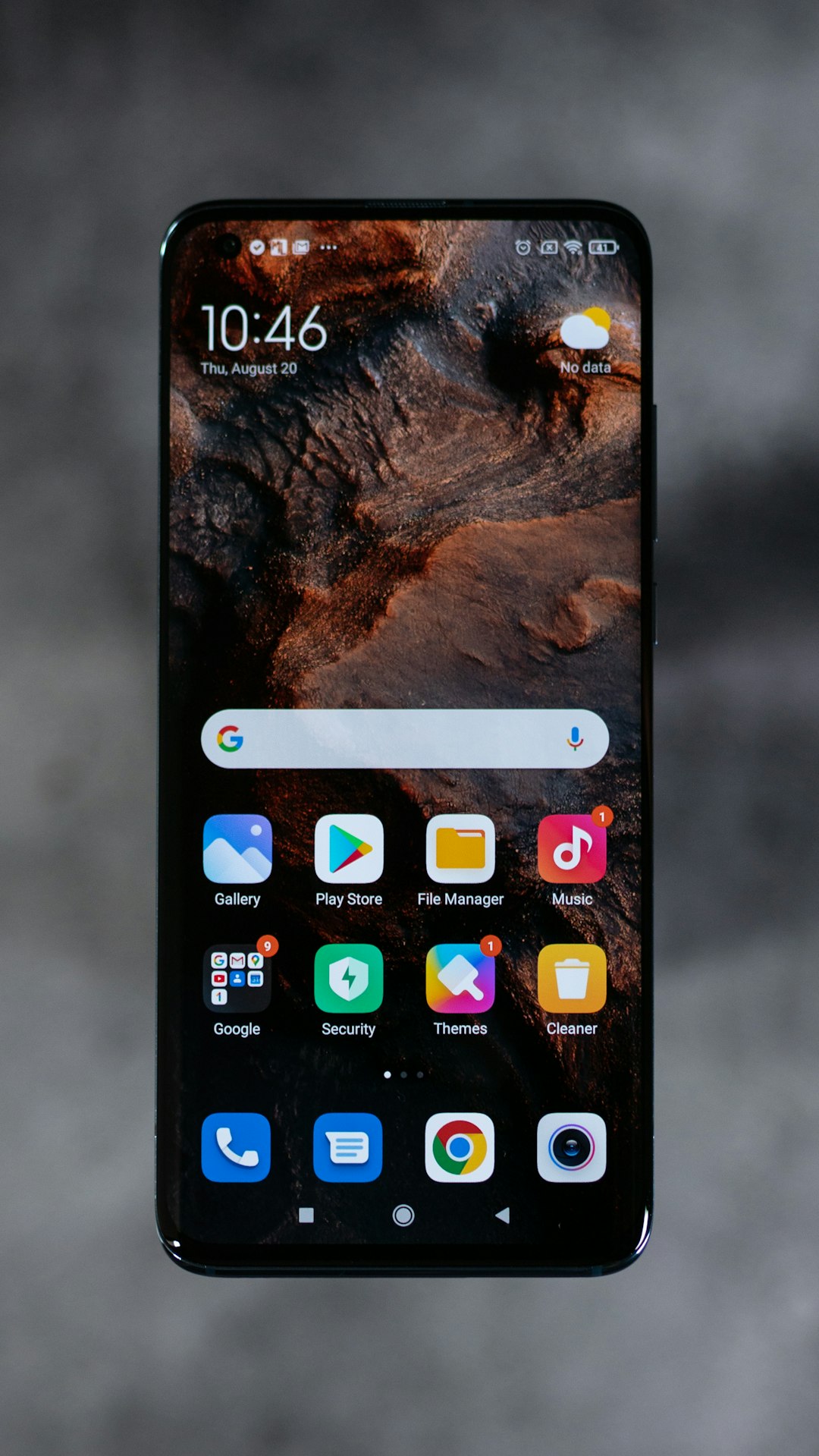
Robocalls have become a significant nuisance in California, with millions of residents receiving unwanted automated calls daily. While many apps offer some level of protection against robocalls, collaborating with a Robocall Lawyer California can significantly enhance the effectiveness of these solutions. These legal experts not only stay abreast of evolving laws and regulations but also possess specialized knowledge about the technology behind robocalls, making them invaluable allies in the fight against intrusive automated calls.
For instance, a Robocall Lawyer California can help identify loopholes or grey areas in current legislation that unscrupulous call centers might exploit. They can guide app developers on implementing robust filtering mechanisms that respect privacy rights while adhering to legal boundaries. By partnering with such lawyers, app creators can develop more sophisticated solutions capable of accurately identifying and blocking legitimate robocalls without mistakenly flagging genuine calls from friends, family, or important services.
Moreover, these lawyers can assist in creating comprehensive call-tracking systems that log and analyze call patterns, helping to distinguish between legitimate business calls and malicious robocalls. Such data-driven insights enable more precise filtering algorithms, improving user experiences while ensuring compliance with consumer protection laws. Collaboration with a Robocall Lawyer California is therefore not just about legal advocacy; it’s about fostering an ecosystem where advanced technology meets robust legal frameworks for optimal protection against robocalls.