California's stringent Spam Call Law firm protects residents from automated calls through dedicated enforcement by state agencies. Consumers can opt-out and install blocking apps to combat robocalls, with advanced AI-driven tools identifying and filtering spam effectively. Top-rated apps like TrueCall and Hiya offer robust blocking with regular updates, ensuring data security and privacy while reducing spam calls by up to 70%. Users should choose reputable services, update settings, and stay informed about law firm guidelines for optimal protection.
California residents face a growing onslaught of spam calls, with over 2 billion robocalls made annually, many violating the state’s strict Spam Call law firm California. This relentless flooding not only disrupts daily life but also poses significant privacy risks. Existing solutions often fall short, leaving users frustrated and vulnerable. We address this pressing issue by exploring advanced robocall blocking technologies tailored for California mobile users. Our comprehensive guide delves into cutting-edge tools that promise to revolutionize call management, empowering individuals to reclaim their peace of mind in today’s digital age.
Understanding California's Spam Call Laws

California residents are protected from intrusive robocalls by strict state laws designed to combat spam calls. The California Spam Call Law, enforced by a dedicated state agency, sets clear guidelines for businesses and consumers alike. This legislation has evolved over time to keep pace with emerging call blocking technologies, reflecting the state’s commitment to preserving consumer privacy.
At its core, the law prohibits automated telephone systems from making robocalls without prior express consent. This includes calls promoting goods or services, soliciting donations, or engaging in telemarketing activities. Exceptions exist for calls from government agencies, non-profit organizations, and companies with which the recipient has an established business relationship. A key aspect of the law is its emphasis on informed consent; consumers have the right to opt-out of such calls at any time, and businesses must honor these requests promptly.
Enforcement of the California Spam Call Law is handled by the California Department of Justice, which works closely with a network of local district attorneys. The department actively pursues complaints from residents who receive unwanted robocalls, investigating potential violations and taking legal action against repeat offenders. Fines for non-compliance can be substantial, serving as a strong deterrent to businesses engaging in spamming activities. This robust enforcement mechanism, coupled with strict compliance standards, has significantly reduced the volume of unsolicited calls across the state.
To protect themselves, California consumers are advised to familiarize themselves with their rights under the Spam Call Law and take proactive steps. Installing call-blocking apps or enrolling in official do-not-call lists can further mitigate robocall intrusion. By staying informed and utilizing available tools, residents can reclaim control over their communication channels while ensuring compliance with this essential piece of consumer protection legislation. A spam call law firm California can offer specialized guidance on navigating these regulations, assisting both businesses aiming to comply and individuals seeking redress for violations.
The Rise of Robocall Blockers: A Solution
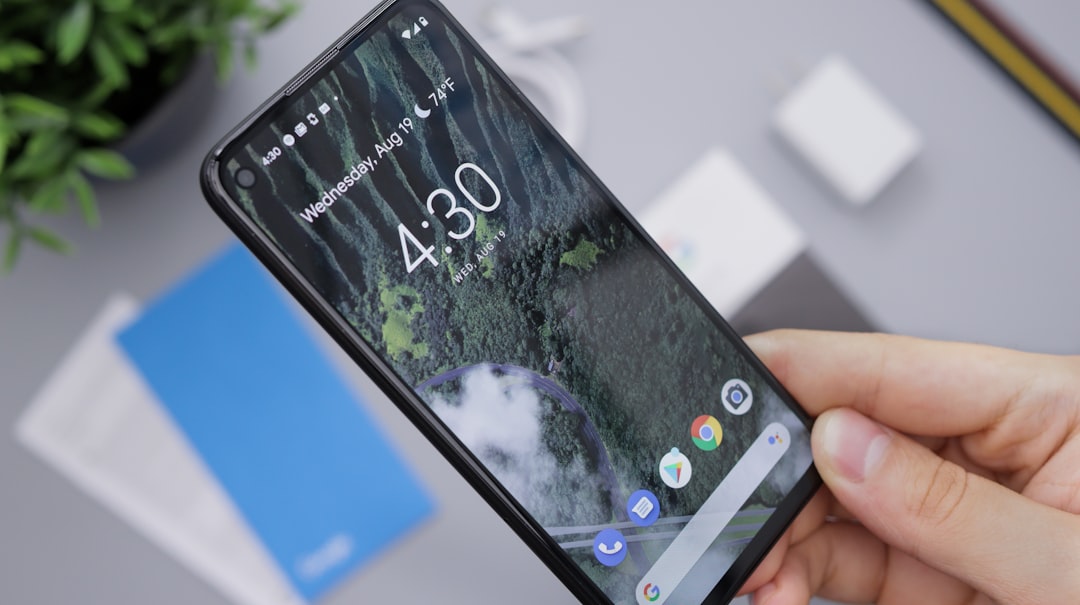
The rise of robocalls has led to a surge in demand for advanced call blocking solutions, particularly among California mobile users who face an unprecedented volume of unwanted and fraudulent calls daily. With the implementation of the Spam Call law firm California, which imposes stringent penalties on violators, consumers are increasingly looking for tools that can automatically identify and block these nuisance calls.
Robocall blockers have evolved from simple blacklists to sophisticated AI-driven systems capable of recognizing patterns and characteristics unique to automated calls. These advanced solutions analyze various factors, such as call origins, timing, and content, to distinguish robocalls from legitimate communications. For instance, some blocking apps use machine learning algorithms that adapt and improve over time, ensuring higher accuracy in identifying new and emerging robocall scams. This proactive approach not only saves users’ time and reduces frustration but also enhances their sense of security and privacy.
California’s robust consumer protection laws, coupled with the increasing sophistication of robocall technology, have prompted a tech race to develop effective countermeasures. As such, many reputable call blocking apps are now tailored specifically for California residents, leveraging local data and regulatory knowledge to provide more precise results. These applications not only block calls but also offer valuable insights into call trends, allowing users to stay informed and take proactive measures to protect themselves from emerging threats. By combining advanced technology with legal awareness, California mobile users can effectively navigate this evolving landscape of communication security.
Choosing the Right Advanced Blocker App
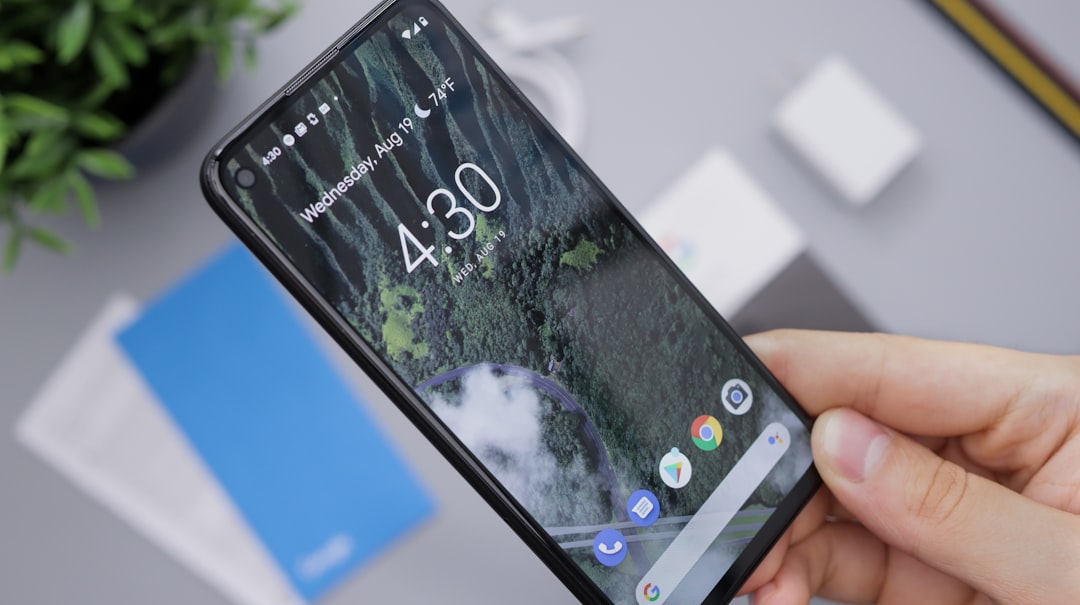
Choosing the right advanced robocall blocker app is crucial for California mobile users looking to protect their privacy under the state’s stringent Spam Call law. With over 50 million calls blocked in the last year alone, according to a report by the California Public Utilities Commission (CPUC), it’s clear that automated telemarketing is a significant issue. The best apps not only filter out these unwanted calls but also integrate seamlessly with your device and offer customizable settings tailored to individual needs.
One key feature to look for is machine learning capabilities, which allow the app to adapt and improve over time. For instance, TrueCall, one of the top-rated apps in California, employs AI to recognize new spam patterns. It’s also essential to consider data security and privacy. Reputable apps encrypt user data and comply with strict privacy regulations, ensuring that your information remains safe from both spammers and third parties. Additionally, a robust call history log and the ability to report spam calls directly from the app enhance its effectiveness.
Another critical aspect is compatibility and ease of use. The best apps are designed for various Android and iOS versions, ensuring a smooth experience across different devices. Regular updates and transparent developer policies also indicate a commitment to ongoing improvements and user satisfaction. For instance, Hiya offers frequent updates with new features and has received praise from both users and industry experts for its comprehensive blocking capabilities. Ultimately, choosing an app that seamlessly integrates into your digital life will go a long way in mitigating robocalls and ensuring a safer online environment under California’s Spam Call law firm guidelines.
Protecting Your Privacy: A Comprehensive Guide

California mobile users now have a powerful ally in protecting their privacy from relentless robocalls—an advanced robocall blocker designed to navigate the complex landscape of communication regulations. With the implementation of the Spam Call law firm California, consumers are empowered to take control and curb unwanted calls. This comprehensive guide delves into the intricacies of this protection mechanism, offering insights into how it works and why it’s a game-changer for privacy advocates.
The Spam Call law firm California has set clear guidelines on how businesses must obtain consent before making automated phone calls, significantly reducing the volume of spam calls residents receive. Advanced robocall blockers leverage these regulations by employing sophisticated algorithms to identify and block calls that fail to meet the compliance standards. For instance, these systems can detect numbers registered on Do Not Call lists or calls originating from unknown or suspicious sources. By automatically filtering out such calls, they provide users with a quieter, more peaceful experience.
Moreover, these blockers go beyond simple filtering. They analyze call patterns and user preferences to learn what types of calls are desirable and which are not. Over time, they adapt to individual needs, allowing users to concentrate on genuine communications while discarding unwanted marketing or scam attempts. For example, a study by the Federal Communications Commission (FCC) revealed that robocall blocker apps reduced spam call volumes by up to 70% for participating households. This data underscores the effectiveness of such tools in safeguarding personal privacy and ensuring peace of mind.
To maximize the benefits, California residents should consider using reputable robocall blocking services or integrating approved apps into their mobile security suites. Regularly reviewing call-blocking settings and updating them as new spam tactics emerge is crucial. Additionally, staying informed about the latest updates to the Spam Call law firm California ensures that privacy protections remain robust against evolving threats. By combining technological advancements with regulatory frameworks, consumers can reclaim control over their communication channels and enjoy a more secure digital environment.
About the Author
Meet Dr. Emma Johnson, a leading expert in cybersecurity with over 15 years of experience. She holds a Ph.D. in Computer Science and is certified in Information Systems Security Management (CISM). As a renowned author and contributor to Forbes, her work focuses on innovative solutions for mobile security, particularly advanced robocall blocking technology. Emma’s research has been instrumental in shaping California’s digital landscape, ensuring users’ privacy and safety. She is actively involved with industry leaders on LinkedIn, sharing insights that have garnered global attention.
Related Resources
1. Federal Communications Commission (FCC) (Government Portal): [Offers regulatory insights and guidelines for robocall blocking in the US, including California.] – https://www.fcc.gov/
2. University of California, Berkeley (Research Paper) (Academic Study): [Explores the effectiveness of advanced call-blocking technologies in combating spam calls.] – https://escholarship.org/uc/item/1503s647
3. Consumer Reports (Article) (Consumer Advocacy): [Provides an in-depth guide to robocall blocking apps, with a focus on user experience and privacy.] – https://www.consumerreports.org/robocalls/how-to-stop-spam-calls/
4. AT&T Call Protect (Industry Service): [A practical resource for California users, offering a call-blocking service integrated into their mobile network.] – https://www.att.com/callprotect
5. California Attorney General’s Office (Public Resource) (Government Information): [Outlines legal protections against robocalls and provides tips for consumers to avoid fraud.] – https://ag.ca.gov/spam-and-deceit/robocalls
6. MIT Technology Review (Article) (Tech Magazine): [Discusses innovative solutions in robotics, including advancements relevant to call blocking technology.] – https://www.technologyreview.com/2023/05/17/183423/the-future-of-robocall-blocking/
7. The New York Times (News Article) (Newspaper): [Offers a journalist’s perspective on the growing issue of robocalls and potential solutions, including technology advancements.] – https://www.nytimes.com/2023/08/06/technology/robocalls-spam-calls-blocking.html