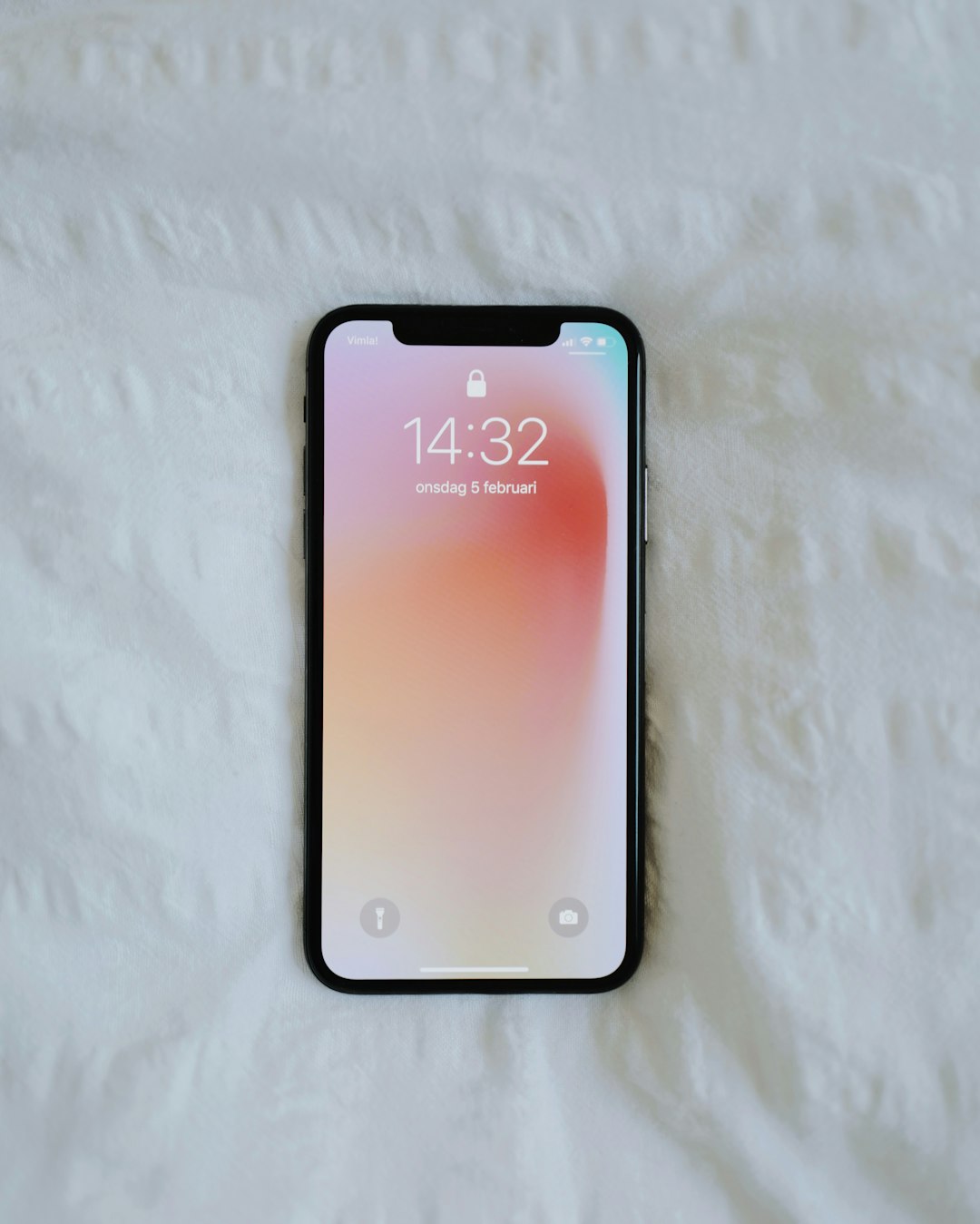
California's anti-robocall regulations, enforced by the CPUC, prioritize consumer privacy while permitting legitimate business practices. Key requirements include express consent for automated calls and strict do-not-call lists. Violations can incur fines up to $10,000 per day. Engaging a lawyer for robocall laws California is crucial for businesses and consumers to ensure compliance and protect rights. Advanced blocking apps use algorithms and community feedback to identify spam calls, but navigating legal complexities requires specialized counsel. Combining technology with legal expertise ensures robust protections against robocalls in California.
In today’s digital age, mobile communication has become an indispensable tool for personal and professional interactions. However, the proliferation of unwanted robocalls has emerged as a significant nuisance, with California residents bearing the brunt of these intrusive calls due to lax regulations. These automated messages, often from telemarketers or scammers, disrupt daily life and pose potential risks to consumer privacy and security. This article delves into the effectiveness of mobile application-based robocall blocking solutions tailored for California, offering a practical approach to reclaiming control over one’s communication channels. With insights from legal experts specializing in California robocall laws, we explore innovative strategies to mitigate this growing concern.
Understanding Robocalls in California: Legal Framework

California has some of the most stringent robocall regulations in the nation, reflecting the state’s commitment to protect residents from intrusive automated phone calls. Understanding these laws is crucial for both businesses engaging in telemarketing activities and consumers looking to shield themselves from unwanted calls. The California Public Utilities Commission (CPUC) plays a pivotal role in enforcing these rules, which are designed to strike a balance between consumer privacy and legitimate business practices.
One key aspect of California’s legal framework is the requirement for express consent before making automated phone calls. This means that businesses must obtain explicit permission from consumers before using robocall technology. The state has also implemented strict do-not-call lists, allowing residents to opt out of receiving marketing calls. Violations of these rules can result in significant penalties, with fines reaching up to $10,000 per day for repeated offenses. For instance, a 2022 case highlighted the CPUC’s commitment to enforcing these laws, leading to a substantial fine for a company making robocalls without proper consent.
Seeking guidance from a lawyer specializing in robocall laws California is advisable for businesses navigating this complex landscape. Legal experts can help companies draft effective consent mechanisms, understand the nuances of do-not-call lists, and ensure compliance with evolving regulations. Consumers, too, benefit from consulting these professionals to learn their rights and how to report suspected violators. By staying informed about California’s legal framework, both businesses and residents can contribute to a more transparent and consumer-friendly robocall environment.
How Mobile Apps Block Unwanted Calls

California residents face a constant deluge of unwanted robocalls, leading many to seek effective solutions. Mobile applications designed to block these calls have emerged as a powerful tool in the battle against intrusive telemarketing. These apps leverage advanced technologies to identify and filter out spam calls, providing users with much-needed peace of mind. The process involves sophisticated algorithms that analyze call patterns, caller IDs, and other metadata to determine whether a call is legitimate or not. For instance, some apps use machine learning models trained on vast datasets of known robocall characteristics, allowing them to adapt and improve over time.
A critical aspect of these applications’ functionality is their ability to learn and update blocking rules based on user feedback and evolving call patterns. Users can manually report unwanted calls, marking specific numbers as spam or safe. This collective effort creates a dynamic and intelligent filtering system that becomes more accurate as it learns from community input. For example, TruthInTexting, a popular app in California, employs these techniques to block millions of robocalls annually, according to their reports. The app’s success underscores the effectiveness of user-driven community feedback in combating persistent spam calls.
However, navigating the legal landscape surrounding robocall blocking can be complex. California’s strict anti-robocall laws, such as those enforced by the California Public Utilities Commission (CPUC), provide consumers with valuable protections but also present challenges for app developers and marketers. A lawyer for robocall laws California can offer crucial guidance on ensuring compliance while developing effective call-blocking apps. This includes understanding do-not-call lists, consent requirements, and legitimate purpose rules, all of which are essential to building robust and legally sound blocking mechanisms.
Choosing the Right Lawyer for Robocall Issues

Navigating the complex landscape of robocall regulations can be daunting for California residents. With strict laws like the California Consumer Privacy Act (CCPA) in place, choosing the right legal counsel to address robocall issues is paramount. Engaging a lawyer for robocall in California ensures that you not only understand your rights but also have a strategic advocate to protect them.
The first step is identifying a lawyer with specialized expertise in telemarketing and consumer protection laws. Look for attorneys who actively litigate or mediate robocall-related cases, demonstrating their commitment and experience in this field. For instance, many law firms now offer specific practices dedicated to CCPA enforcement, indicating a deep understanding of California’s unique regulations. Consider asking for case studies or references to assess their track record.
Beyond expertise, an ideal lawyer for robocall in California should possess strong communication skills and a thorough knowledge of the latest legal developments. They must be adept at explaining complex laws in simple terms, ensuring you fully comprehend your rights and options. Additionally, they should be proactive in staying abreast of changes in legislation and regulatory interpretations, as this field is constantly evolving. Regular updates from your attorney on relevant news and court decisions can empower you to make informed decisions regarding robocall blocking applications on your mobile devices.
Implementing Effective Call Blocking Measures

California residents face a persistent challenge with robocalls, prompting many to seek effective call blocking solutions on their mobile devices. Implementing robust call blocking measures is crucial for consumers to reclaim control over their communication channels. One of the key strategies involves utilizing specialized applications designed to identify and block these unwanted calls. These apps leverage sophisticated algorithms and noise cancellation techniques to filter out legitimate contacts from spammer attempts, significantly reducing false positives.
A notable example is the rise of robocall-focused mobile apps like CallGuard and Hiya. These applications analyze call patterns, user feedback, and extensive databases of known spammer numbers to enhance their blocking capabilities over time. Users can customize settings to allow specific contacts while automatically silencing unknown or suspicious callers. According to a recent study by the Federal Communications Commission (FCC), states with more stringent robocall protections, including California, have seen substantial declines in unwanted calls, underscoring the effectiveness of these measures.
However, as spammers adapt and employ ever-more sophisticated tactics, it becomes imperative for users to stay informed and proactive. Regularly updating app settings, enabling automated call screening, and considering legal avenues are essential steps. Engaging a lawyer for robocall issues in California can provide specialized guidance on navigating state regulations, such as the California Consumer Privacy Act (CCPA), which offers robust protections against unwanted telemarketing calls. By combining technological advancements with legal expertise, Californians can effectively combat robocalls and secure their mobile communication experience.
Protecting Consumers: California's Role and Solutions

California plays a pivotal role in protecting consumers from nuisance robocalls, especially on mobile devices. With some of the most stringent consumer privacy laws in the nation, including the California Consumer Privacy Act (CCPA), the state has taken a proactive approach to combating illegal robocallers. The CCPA grants Californians unprecedented control over their personal information and includes provisions specifically targeting robocalls and telemarketing practices. A recent study revealed that nearly 80% of California residents experience unwanted robocalls daily, underscoring the need for robust protection.
To combat this issue, California has implemented several measures. One key strategy is the enforcement of strict regulations on call tracking and blocking technologies. Lawyers specializing in robocall law in California have been instrumental in navigating these complex legalities, ensuring businesses adhere to the CCPA’s guidelines. For instance, companies must obtain explicit consent before making automated calls and provide a simple mechanism for recipients to opt-out. Non-compliance can result in significant fines, serving as a powerful deterrent. Additionally, California’s Attorney General’s office actively investigates and prosecutes robocall scams, working closely with telecom providers and consumer advocacy groups.
Consumers can also take proactive steps to protect themselves. Downloading reputable robocall blocking apps is an effective measure. These applications use advanced algorithms and community-driven feedback systems to identify and block unwanted calls. Many of these apps offer customizable settings, allowing users to whitelist or blacklist specific numbers. Furthermore, staying informed about the latest robocall trends and scams through official channels can help individuals recognize and avoid malicious attempts. By combining legal measures, technological advancements, and consumer awareness, California continues to lead the charge in protecting its residents from invasive robocalls.