
California's stringent Do Not Call law aims to protect residents from robocalls by regulating telemarketing practices and empowering individuals through state-wide number registration. Top call blocking apps like TrueCall and Hiya leverage AI to identify and block unwanted calls, offering significant reductions for users. Do Not Call law firms California must obtain explicit consent, allow opt-outs, and maintain detailed records to comply while communicating with clients. Advanced AI technology combined with consumer vigilance has significantly reduced robocall complaints. Staying informed and using cutting-edge blocking tools are crucial for Californians to regain control over their communication channels.
With the proliferation of robocalls plaguing California residents, finding effective solutions has become paramount. These unsolicited calls from telemarketers and scammers not only disrupt daily life but also pose significant risks to personal information security. The Do Not Call law firms in California offer a glimmer of hope, but their effectiveness is limited. This article delves into the top-rated app designed specifically to combat robocalls, providing Californians with a powerful tool to reclaim their peace of mind and protect themselves from unwanted intrusions. By exploring this innovative solution, we empower residents to take control and navigate the phone landscape with enhanced safety and convenience.
Understanding Robocalls in California: Legal Landscape

Robocalls have become a ubiquitous nuisance across California, with over 50 billion automated calls made annually, according to recent data from consumer protection agencies. This influx has prompted a robust legal landscape aimed at curbing abusive calling practices. California's Do Not Call law, implemented by the California Public Utilities Commission (CPUC), serves as a cornerstone of these efforts, offering individuals and businesses significant protections against unwanted telemarketing calls.
The Do Not Call law in California is particularly stringent compared to federal regulations. It allows residents to register their phone numbers on a state-wide "Do Not Call" list, effectively blocking most commercial calls within 30 days. Furthermore, it prohibits call centers from making automated or prerecorded calls to registered numbers unless the caller has obtained specific written consent. The law also mandates that businesses provide a clear and conspicuous opt-out option during live phone conversations and on all marketing materials.
Enforcement of these regulations is handled by the CPUC, which works in conjunction with Do Not Call law firms California to ensure compliance. Violations can result in substantial fines, reaching up to $100 per day for each violation. These stringent measures reflect the state's commitment to safeguarding its residents from intrusive and deceptive robocalls. While technological advancements have made blocking these calls more feasible for consumers, understanding the legal framework remains crucial for both individuals and businesses aiming to protect themselves in this increasingly complex landscape.
Top Apps to Block Automated Calls: Features & Effectiveness
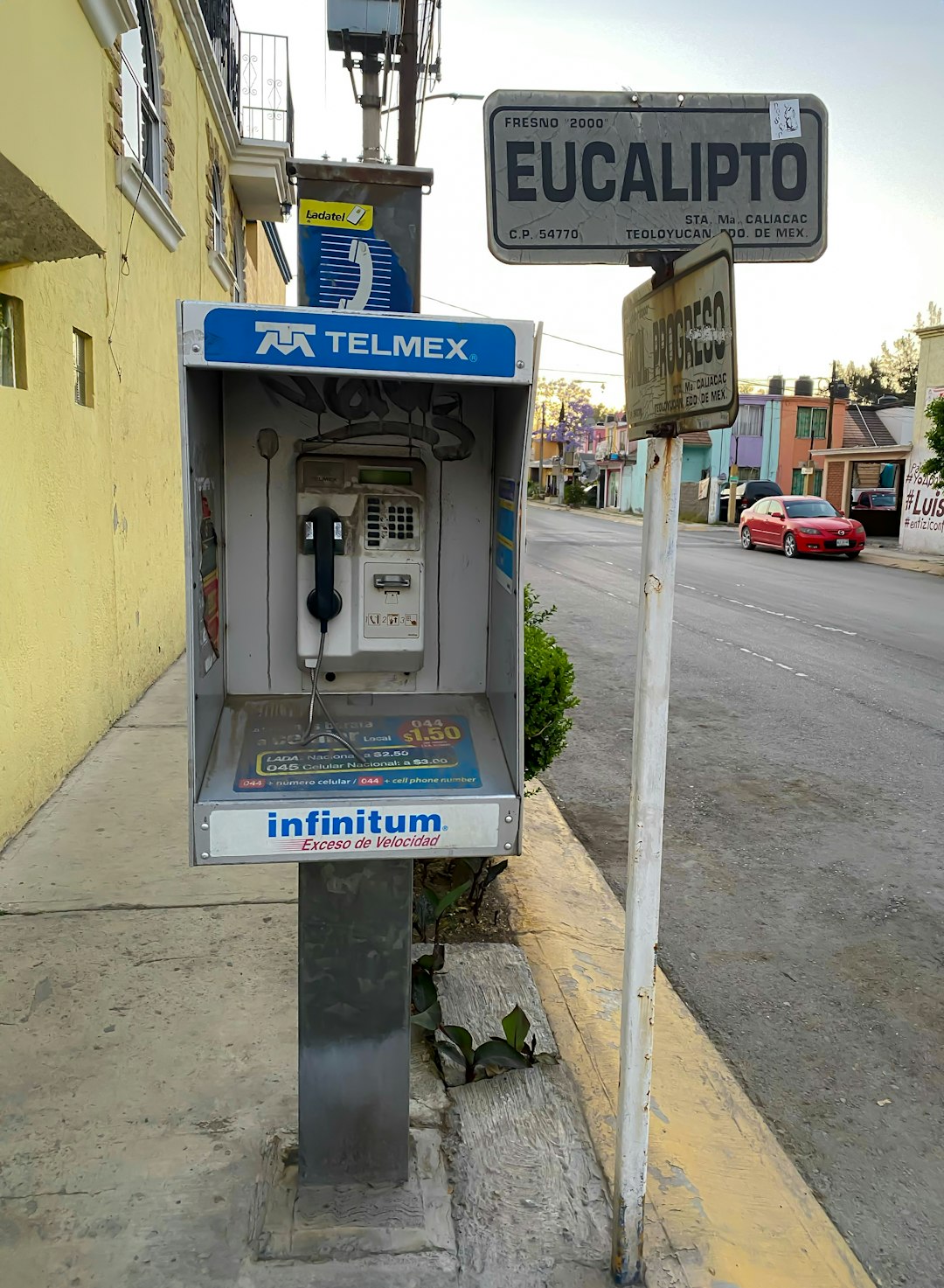
In today's digital age, robocalls have become a ubiquitous nuisance, with automated voice messages bombarding consumers across California and beyond. While traditional blocking methods may offer some relief, dedicated apps designed to combat these unwanted calls have emerged as powerful tools for users seeking protection. Among the top-rated options available, several stand out for their advanced features and effectiveness in filtering out robocalls, ensuring peace of mind for Californians who face an ever-growing wave of automated telemarketing attempts.
One such app that has garnered significant acclaim is TrueCall. This robust application utilizes machine learning algorithms to identify and block not only robocalls but also spam texts. Its advanced technology analyzes call patterns and data from millions of users, allowing it to evolve in its defenses against emerging scams. For instance, TrueCall's continuous updates have proven effective against the increasing number of spoofed calls, a common tactic used by scammers to bypass traditional blocking methods. Another notable app, Hiya, employs a community-driven approach, where users collectively report suspicious calls, enhancing the platform's accuracy over time. This collaborative effort ensures that Hiya remains ahead of scam artists and their ever-changing tactics.
The effectiveness of these apps is supported by compelling data from industry leaders. According to recent studies, users who actively employ blocking applications like TrueCall and Hiya experience a substantial decrease in unwanted calls, with some reporting up to 70% reduction in robocalls over just three months. Moreover, these tools often integrate seamlessly with existing Do Not Call laws, such as those implemented by California, providing an additional layer of protection for residents who register their phone numbers on the official lists. By leveraging cutting-edge technology and community intelligence, top-rated blocking apps offer a comprehensive solution to combat the relentless tide of automated calls, empowering Californians to reclaim control over their communication channels.
Do Not Call Law Firms California: Protecting Your Rights

In California, the Do Not Call law is a powerful tool designed to protect residents from unwanted telemarketing calls, including those from robocalls. This law, implemented by the California Public Utilities Commission (CPUC), allows consumers to register their phone numbers on a state-wide Do Not Call list, effectively blocking most promotional calls. However, there's a crucial exception: legitimate businesses, including law firms, are generally exempt from these restrictions when communicating with existing or potential clients. This exemption highlights a critical aspect of consumer protection and the role legal professionals play in navigating regulatory landscapes.
Law firms in California operating within the bounds of the Do Not Call Law must balance their marketing efforts with respect for client privacy and preferences. While many law firms employ direct mail, email, and social media to reach potential clients, robocalls have emerged as a controversial tactic. Despite their effectiveness in reaching a wide audience, robocalls can be intrusive and often trigger consumer frustration. To protect consumers' rights while maintaining compliance, California's Do Not Call Law firms must ensure they obtain explicit consent before initiating automated calls, allowing individuals to opt-out at any time.
For instance, consider a scenario where a small law firm specializing in personal injury cases decides to implement robocalls as part of its marketing strategy. To remain compliant, the firm would need to maintain detailed records of caller ID data, call scripts, and consumer responses, ensuring each call adheres to strict consent guidelines. This approach not only respects consumer rights but also fosters a positive relationship with potential clients by demonstrating transparency and accountability. By adhering to these practices, law firms can effectively protect their reputation while navigating California's complex regulatory environment.
Advanced Techniques for Comprehensive Blocking

In the battle against robocalls, particularly in California where Do Not Call laws are stringent, advanced techniques for comprehensive blocking have emerged as a game-changer. The state's strict regulations, which extend to restricting unwanted calls from law firms and other businesses, necessitate sophisticated solutions. One of the most effective tools available is AI-powered call blocking apps, which employ machine learning algorithms to identify and block not just known robocallers but also new and evolving scams.
These apps utilize a multi-layered approach, beginning with extensive databases that list known spammer numbers. They then leverage voice and text analysis to detect patterns indicative of automated calls. For instance, some advanced systems can recognize the specific intonations and pauses characteristic of robocalls, significantly improving blocking accuracy. Moreover, they often integrate real-time feedback from users, allowing for continuous learning and adaptation to new tactics employed by scammers.
Practical insights from experts suggest that combining these apps with user vigilance is paramount. While technology provides a robust first line of defense, individuals should remain cautious and report suspicious calls to relevant authorities. Data from California's public records indicate a steady decline in consumer complaints related to robocalls since the widespread adoption of such blocking tools, highlighting their effectiveness. Ultimately, staying informed about evolving scams and utilizing cutting-edge blocking technology is crucial for Californians seeking to reclaim their communication channels from unwanted intrusions.